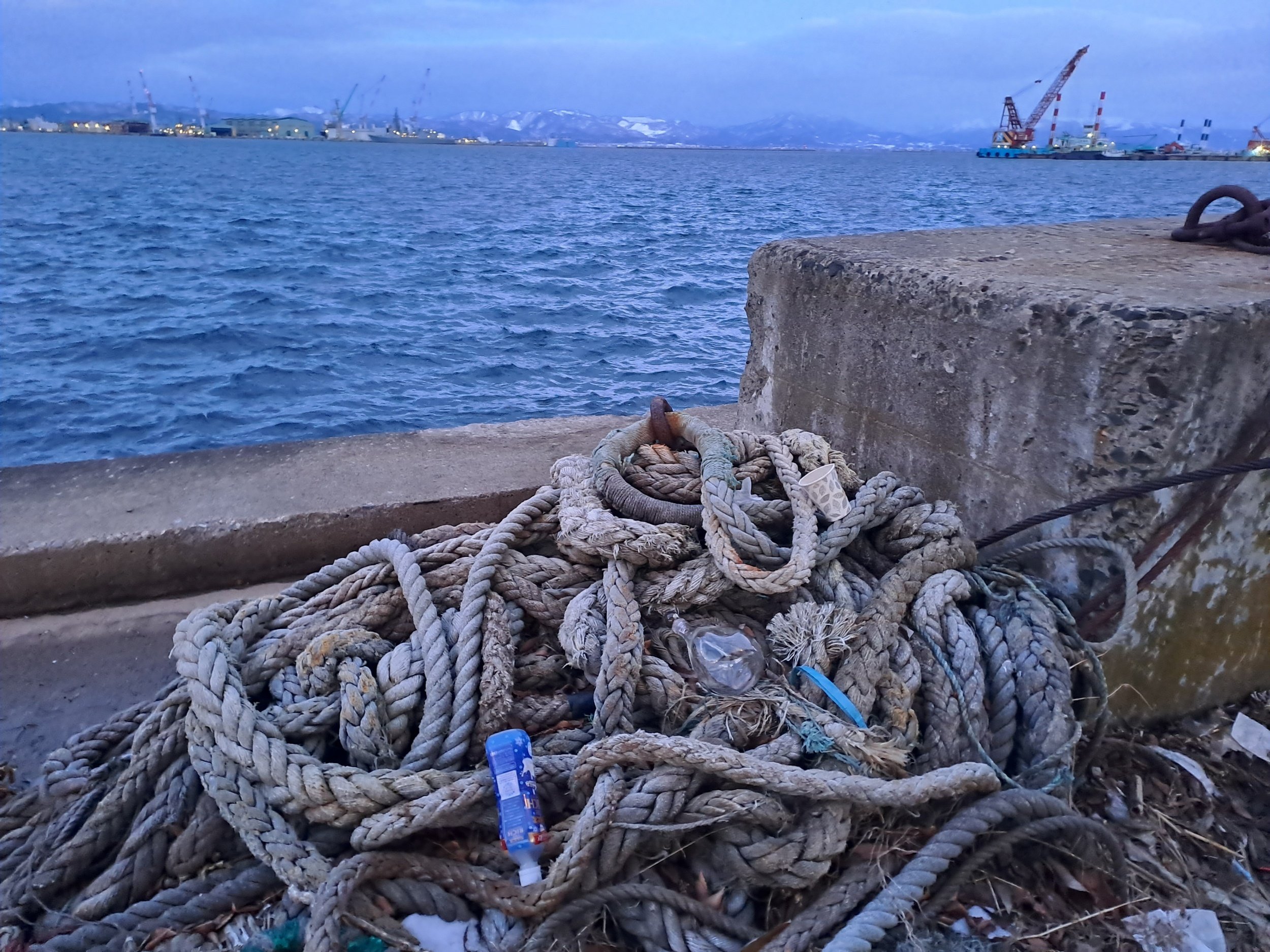
Across Australia single‑use beverage bottles—plastic, glass, cans, cartons—are produced in staggering numbers and total return rates through recycling are poor. (54% of consumer glass incl imported recycled material??? for some reason according to APCO Australian Packaging Consumption and Recovery Data 2023-24 - APCO) with much lower rates for Aluminium cans and Plastic.
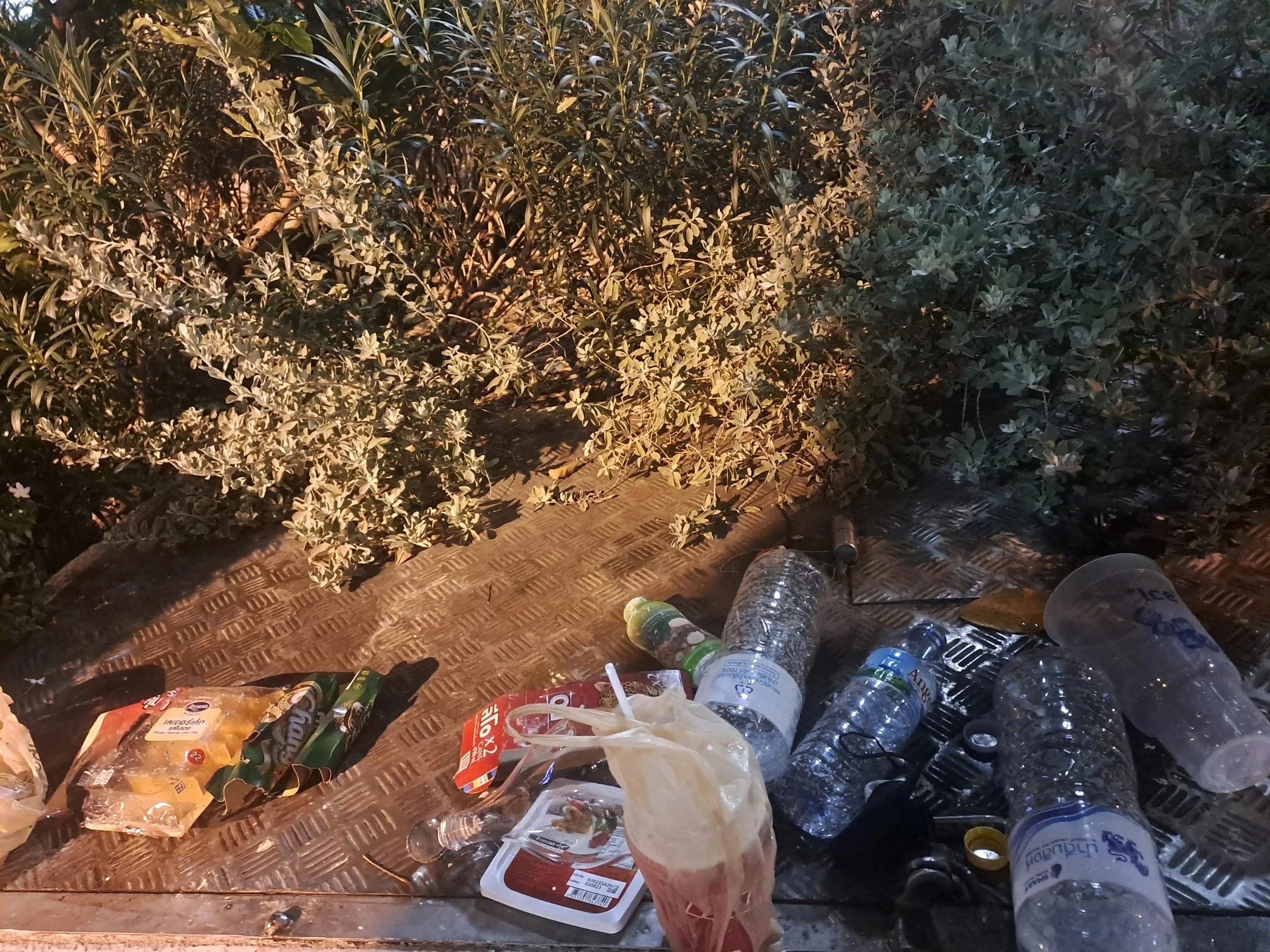
Recycling is failing us
Project Hydrosol uses a fully circular packaging program for all trade customers
This means every container delivered is intended to be returned and reused. The goal is to learn about the packaging problem we have here in Australia, and one day bring some balance back to our overly consumptive mindset.
Shifting this single-use mindset is Project Hydrosol’s main driver for establishing and maintaining our circular packaging program.
We’re realistic - we don’t expect change overnight, but we’re challenging ourselves to make an impact.
Our Conclusion
We are drowning in single‑use beverage containers. Project Hydrosol will remain on its 100% circular packaging program for all wholesale partners; consumers are encouraged to please return bottles so I can refill them.
While we have commercial partners with one-way packaging programs, we encourage them to join the movement.
We hope to inspire others to develop and maintain their own systems as we evolve ours.
Follow us on the journey

-
Over 1 million tonnes of glass packaging is brought to market each year. APCO_Material_Factsheet_Glass_2023-2024.pdf
In the 23-24 reporting year Australia consumed 4.0 million tonnes of plastic products and packaging, the national plastics recovery rate (both recycling and energy recovery) was 14%… (dcceew.org.au)
-
Curbside recycling is patchy and inefficient, Specifically for packaging, in 2021-22, approximately 84% of packaging had good recycling potential, however, only 56% of packaging was recovered. If you’re wondering where the other 44% goes, it’s in the landfill… out of sight, out of mind.
Globally, only about 9% of all plastics have ever been recycled (greenpeace.org), and the effectiveness is even lower for soft plastics used in bottles.
-
Curbside systems are voluntary, inconsistent, and underfunded meaning many recyclable materials don't get sorted correctly.
Australia has had success with their CDS, NSW started their scheme, Return and Earn, on December 1, 2017. Communities across the state have made recycling a part of their everyday routine. Since the scheme began, more than 12-billion containers have been returned and the volume of drink container litter has fallen by 52%. Wine bottles are being introduced to this scheme mid-2027…
-
Massive material loss: On a per capita basis, consumption has increased 60% — from an estimated 92 kg per person in 2000, to 148 kg per person in 2020–21. Buying, using and putting in the ground almost a container a day, every day, and it’s not even the consumer’s fault. Try doing a supermarket shop without coming home with a trolley full of containers, with no option to return and recycle effectively. Plastic Waste in Australia
Environmental harm: bottles contribute heavily to litter, plastic pollution, and ecological damage, including threats to marine life and increased carbon emissions.
-
The oil industry plans to invest $400 billion in new petrochemical plants in the expectation that demand for plastics will increase, and a 2021 report found that none of the 100 largest plastic producers procure more than two percent of their feedstock from recyclable sources.
In recent years the Australian Government has released several plans aimed at reducing the amount of plastic waste. These plans include the 2018 National Waste Policy, the 2019 National Waste Policy Action Plan, the Australian Packaging Covenant, and a goal to recycle or reuse 100% of plastic waste and end plastic pollution by 2040. What is common to all of these policies is that they focus on recovery, particularly recycling, and not on reducing the production and consumption of plastics in the first place.
In short, consumption is a major part of the problem, and the producers must take some responsibility for this.