
Sustainable Foraging in Australia
The wild landscapes of Australia are home to a rich diversity of native plants, long valued by indigenous peoples for every aspect of their lives, including food, medicine, crafts, and fishing and seafaring. As carers of the land for generations, the Aboriginal people remain the masters of sustainable foraging. At Project Hydrosol, we are learning to follow their lead, so future generations may also share in this abundance.
Here’s what we’ve learned so far.
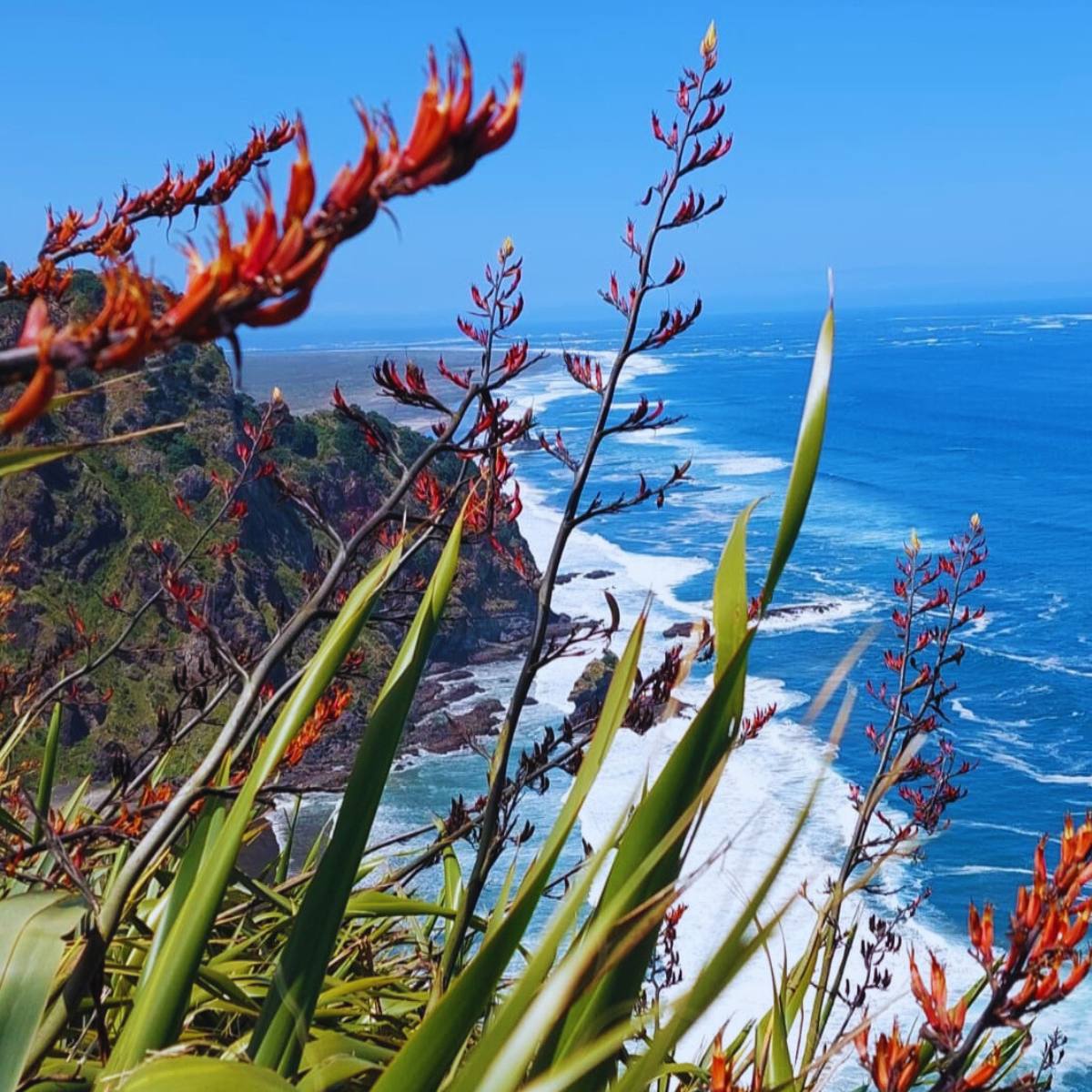
Guiding Principles of Regenerative Foraging
-
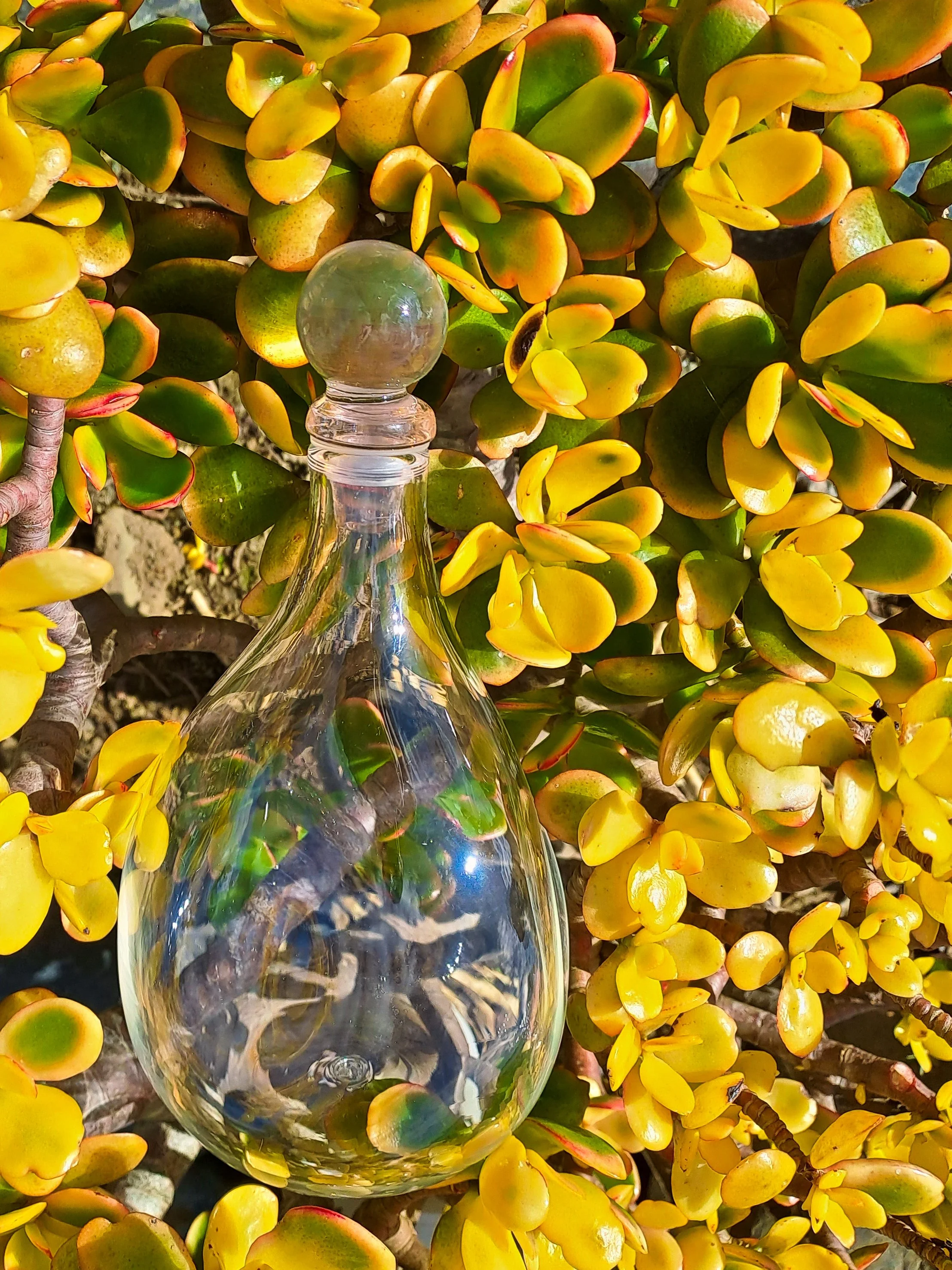
Harvest lightly & selectively
Just as indigenous cultures have done for centuries, we take only small amounts from abundant sources, taking only what we need.
We try to vary the aspect from which we harvest to encourage even healthy growth. Avoiding young, isolated, or struggling plants, we focus on mature specimens and gather in a way that allows the plant to continue its life cycle unharmed.
-
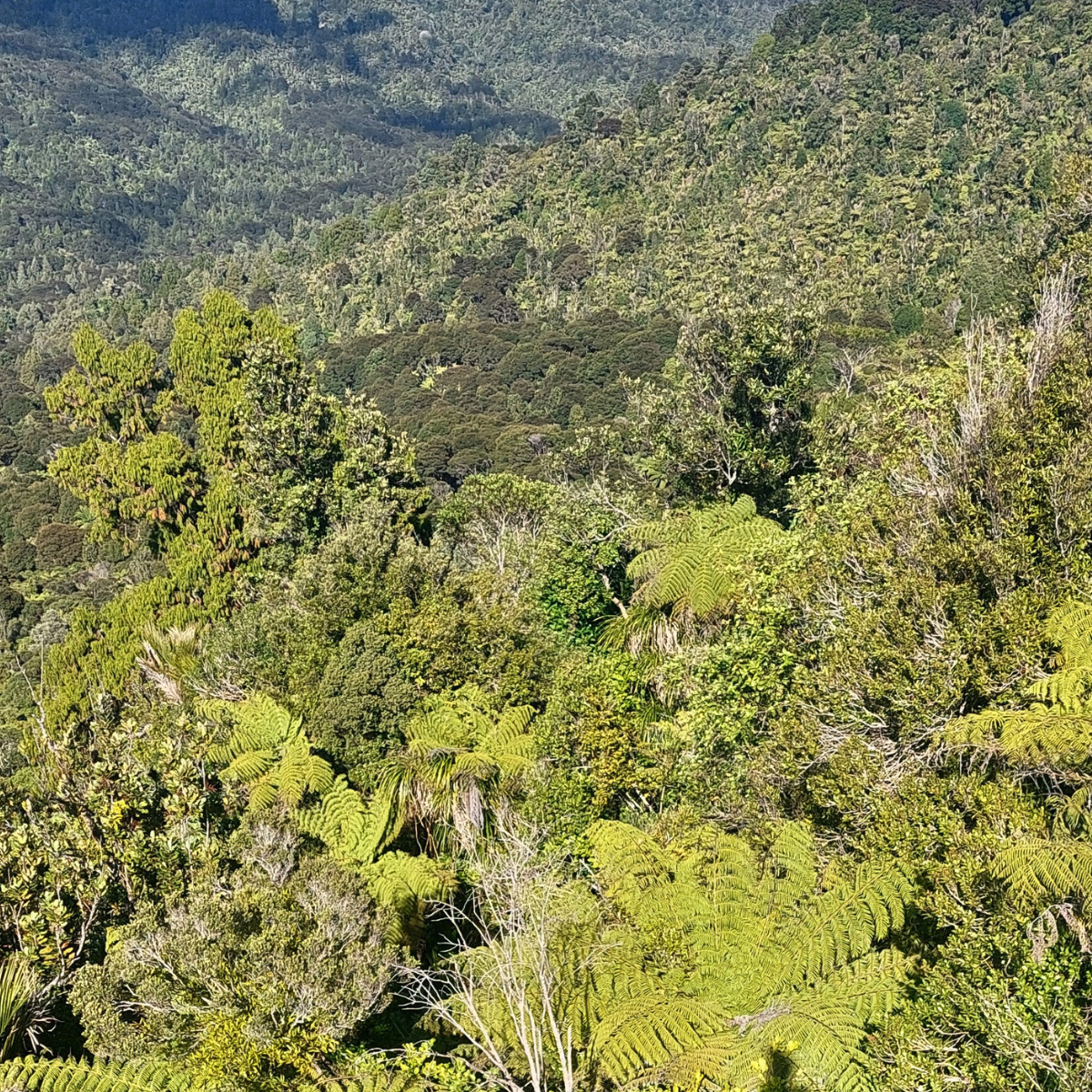
Look beyond the first plant
One healthy specimen is not a good indicator of a healthy population.
We’ve learned to leave the first plant we see so we can assess abundance, and to leave the last to ensure regeneration. This prevents overharvesting in a single area.
-
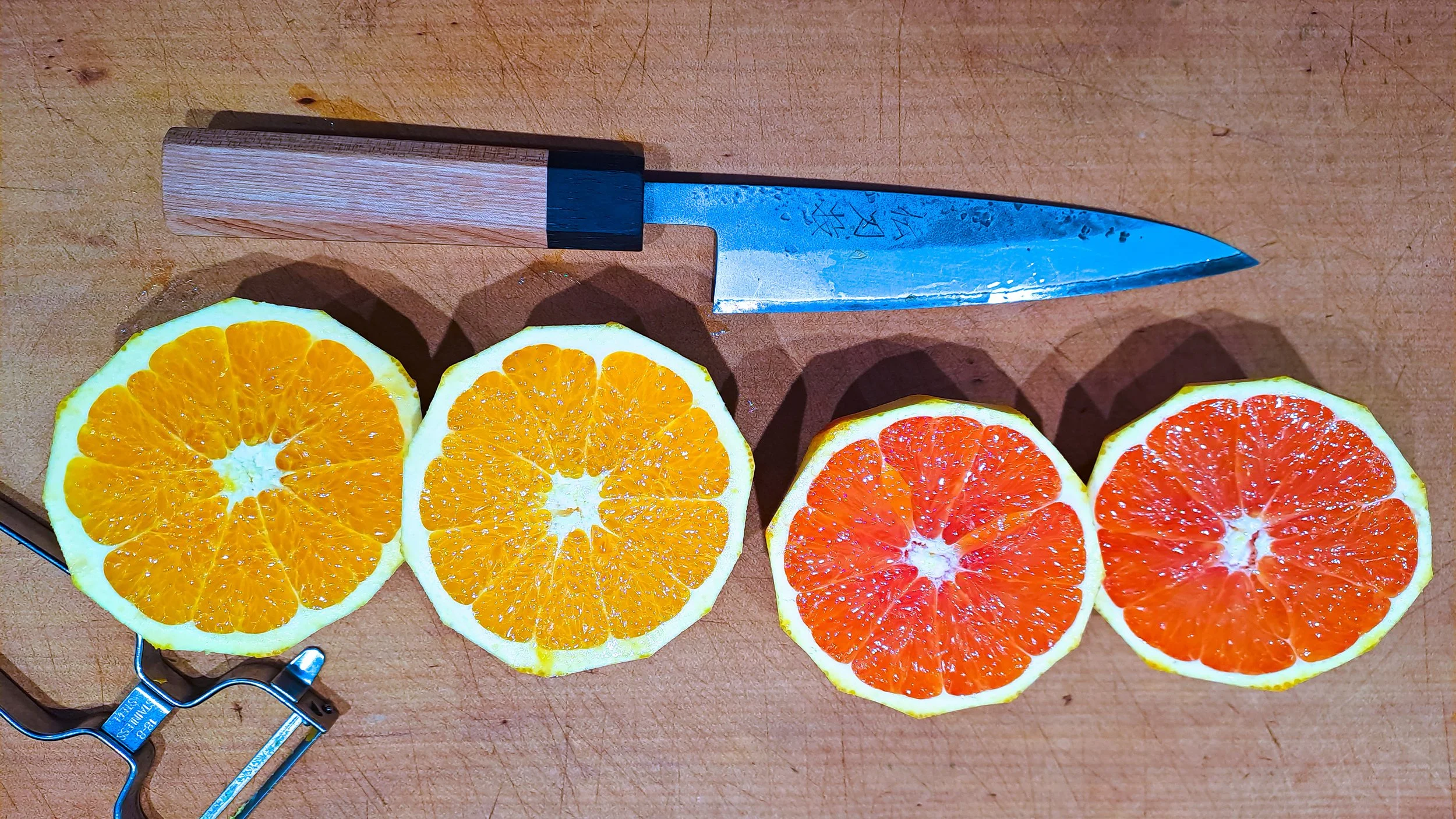
Clean, sharp tools are your friends
We love a good, sharp, high-quality blade - it’s an essential tool for harvesting cleanly without tearing.
Cut above a node or branching point at a 45-degree angle facing away from the bud, to encourage new growth, minimise wound surface area and prevent excess moisture around the bud.
-
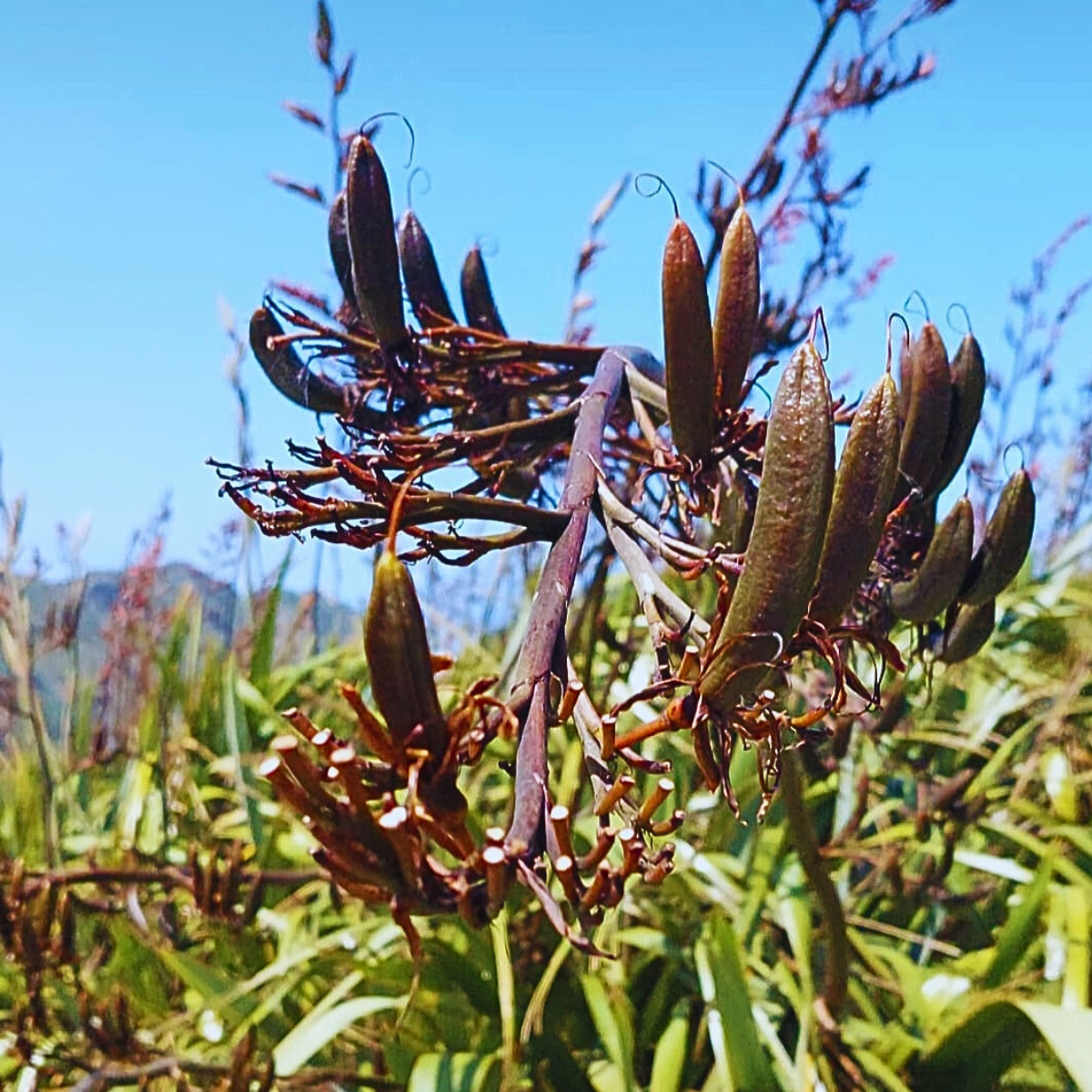
Techniques to encourage regrowth
We’ve learned when taking leaves (e.g. Smilax glyciphylla) to pick older leaves, leaving young shoots to grow.
When we harvest branches (e.g. Ooray/Davidsonia), we cut from the sides, never the central shoot. This central shoot is vital to the plant’s health.
For berries or fruit, we leave some behind for birds and reseeding.
-
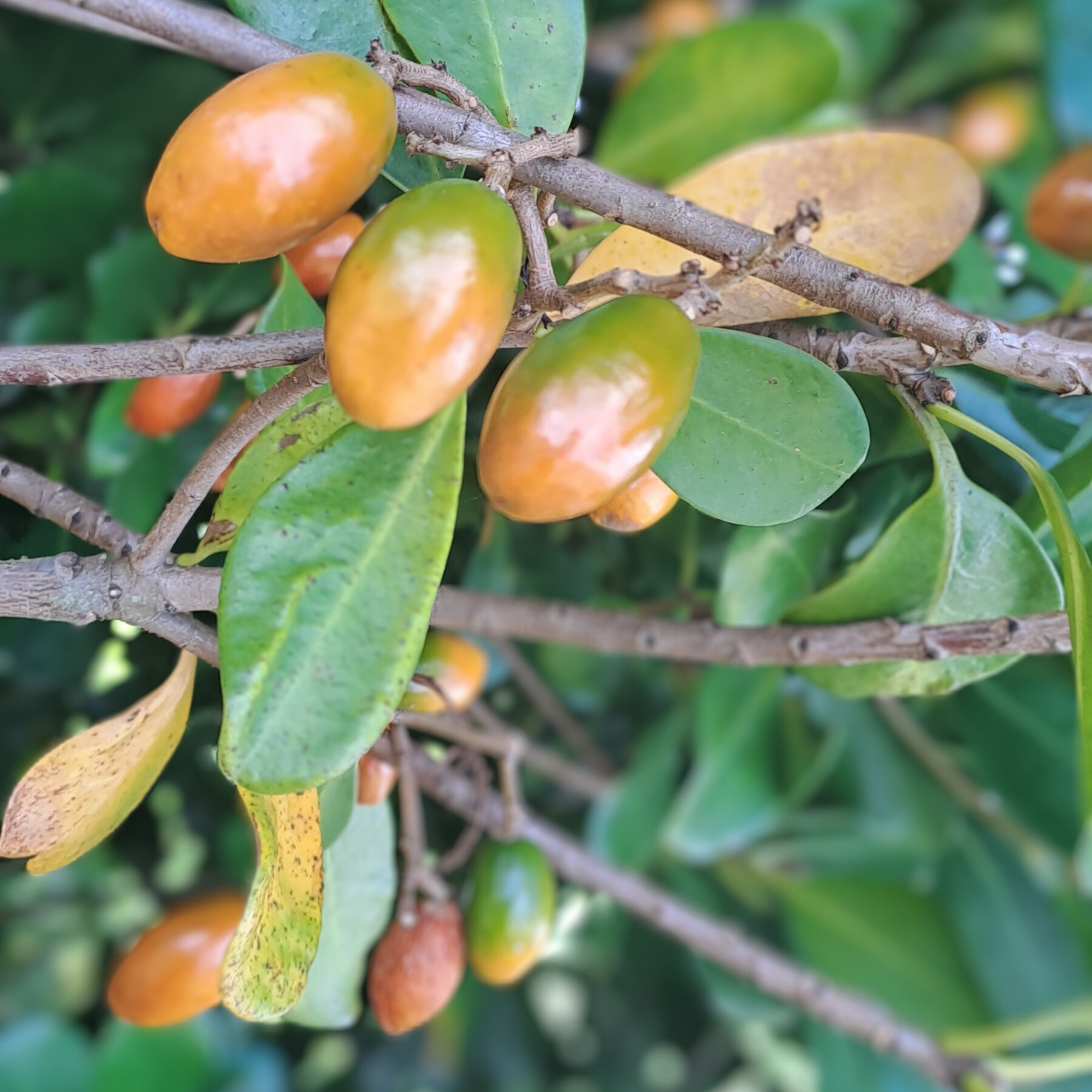
Observe first
Be aware that you’re venturing into an ecosystem where companion flora and fauna sustain each other.
We ensure we are not damaging any plants that might be giving Ooray the shade it needs to prevent sunburn, and we steer clear of leaves with signs of native and endemic symbiotic relationships.
-

Lifecycle & regeneration
Rotate harvesting spots so no one location is overused.
Avoid trampling or compacting soil around plant bases.
Do not forage after heavy rain, as roots are more vulnerable when soil is loose. Plants will typically be lower in essential oils after rain and produce a lower quality product as well.
Leave enough flowers and seed heads to allow for pollination and reproduction. Birds and bees enjoy these plants as much as we do.
Respect and Reverence
We forage with humility, care, and patience - following the example of generations of indigenous cultures. That follows through in the products we create.
If you’ve made it this far, way to go! We appreciate your curiosity about the foraging movement, and we’d love to hear from you.
Use the secret word ‘rutabaga’, supply your address, and in return, our R&D guru, Michael, will send you a sample of pre-release native botanical scents he’s developing,